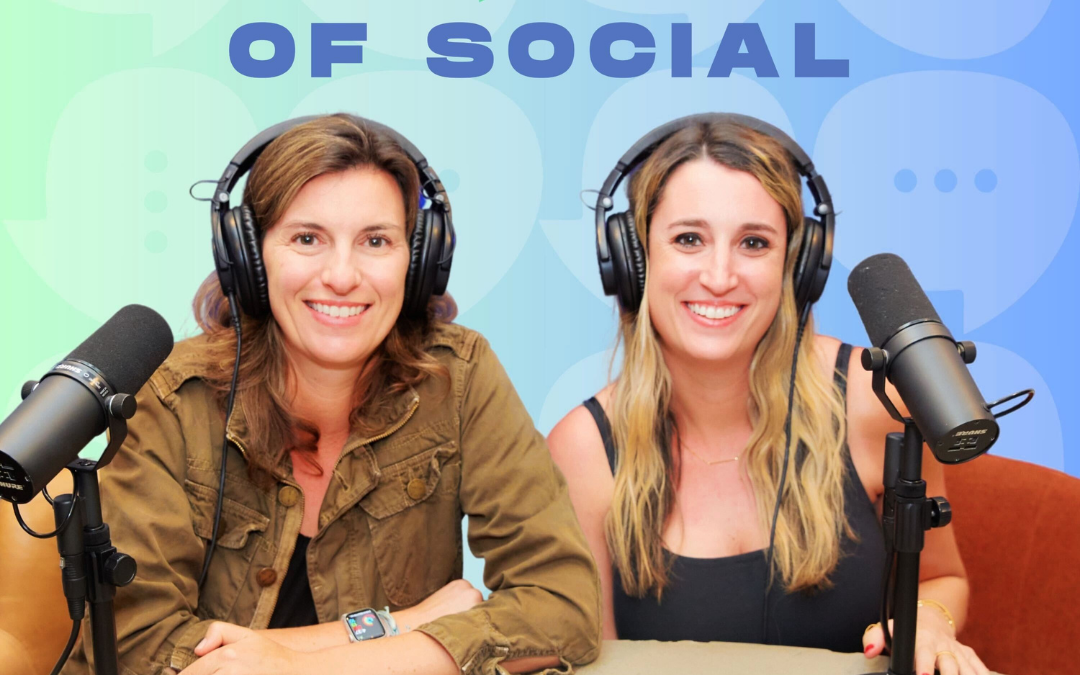
Dose of Social Episode 12: Hitting the Mark: Identifying Your Target Audience with Armando Garza

Dose of Social Episode 12: Hitting the Mark: Identifying Your Target Audience with Armando Garza

Hitting the Mark: Identifying Your Target Audience with Armando Garza

Season Two | Episode Twelve


Listen On Spotify

In Episode 12 of Dose of Social, Lindsay Mauch and Kayla Perlstein sat down with Armando Garza, a seasoned growth leader with experience spanning Procter & Gamble, Frito-Lay, and multiple startups. The conversation centered on one foundational question every brand must answer: Who is your target audience, and do you really know them?

For small businesses especially, identifying a clear target audience isn’t just a “nice to have.” It’s essential for reducing wasted spend and driving revenue faster. When brands try to speak to everyone, they often end up connecting with no one.

Why Target Audience Clarity Matters

Armando explains that target audiences help businesses be more efficient with both time and money. Social media and digital advertising platforms are incredibly powerful, but only if you know who you’re aiming for. Without clarity, brands are essentially “shooting in the dark,” hoping something sticks.

The most effective marketing happens when brands combine data (the science) with human insight (the art). Data shows who is buying; psychographics explain why they buy.

The Power of Personas

One of the most impactful tools discussed in the episode is the use of personas. Personas go beyond basic demographics like age or gender and bring your audience to life by identifying motivations, behaviors, and buying context.

Armando shared an example from his time working on CVS shopper marketing, where distinct personas shaped everything from product assortment to messaging. Each persona represented a different life stage, need state, and shopping behavior, and their marketing strategies shifted accordingly.

A simple but effective test? The “celebrity test.” Ask yourself: If my brand were talking to one celebrity, who would it be? That mental shortcut can quickly clarify tone, visuals, and messaging.

Listen On Youtube

Research Doesn’t Have to Be Complicated

One of the biggest mistakes small businesses make is skipping research altogether. But research doesn’t need to be expensive or formal. Armando recommends:

  • Reviewing your existing customer data
  • Studying competitors’ social media and ads

  • Talking directly to real people. Yes, even strangers

Sometimes the most valuable insights come from quick, informal conversations.

Revisit Your Audience as You Grow

Target audiences aren’t static. As markets shift and businesses scale, audiences evolve. Armando recommends revisiting your target audience annually, especially early on. Often, 20% of customers drive 80% of revenue. Finding more of those customers is where real growth happens.

Actionable Takeaways

  1. Define who you are not targeting: Saying no to the wrong audience saves money and sharpens messaging.

  2. Build 2–3 clear personas: Include demographics, motivations, buying context, and pain points.

  3. Use your existing data first: Tools like Google Analytics and ad platform insights reveal who’s already engaging or buying.

  4. Study competitors strategically: Review organic content and paid ads (including the Meta Ads Library) to spot patterns.

  5. Audit your audience annually: Markets change. Your business should evolve with them.

Understanding your target audience is where smarter marketing starts. When you blend data with curiosity and testing, you don’t just grow faster, you grow with intention.

You can find Armando on social at https://www.linkedin.com/in/armandoagarzaiii/

Listen On Apple

❤️ Loving the show?

If you enjoyed this episode, please head over to Apple Podcasts and leave a rating. It takes less than a minute and helps us keep creating content.

Dose of Social Episode 12: Hitting the Mark: Identifying Your Target Audience with Armando Garza

Dose of Social Episode 11: Designing Your Website and Brand Identity with Makena Delaney

Designing Your Website and Brand Identity with Makena Delaney

Season Two | Episode Eleven


Listen On Spotify

In episode 11 of Dose of Social, Lindsay Mauch and Kayla Perlstein sit down with brand and website designer Makena Delaney for a refreshingly honest conversation about what makes branding work and why most small businesses get stuck (and waste money) trying to “figure it out.”

Makena’s origin story is relatable: she learned design by pulling apart templates, especially Canva layouts, and studying what made them effective. Not copying, but reverse-engineering the structure behind good design: hierarchy, spacing, visual rhythm, and the “formula” that turns creativity into something clear and usable. That same approach followed her into funnel building, brand strategy, and website design. Her philosophy is simple: success leaves clues so learn from what’s already working.

Then she drops what might be the most freeing “secret” in the episode: brand strategy isn’t mystical. It’s not an expensive hidden framework that only the pros understand. It’s primarily about this: approach your brand from your ideal client’s perspective. That lens makes every decision easier: from colors, fonts, tone, visuals, website layout, and even product positioning.

To prove the point, Makena discusses examples from the cosmetics world. Multiple brands can sell near-identical products (sometimes even produced by the same parent company), yet customers experience them as totally different because of packaging, tone, naming, and the vibe of the brand. A bold, edgy brand attracts a different buyer than a clean, friendly, “safe” brand even when the product category is identical. Branding creates perception, and perception drives purchase.

When it comes to websites, Makena is clear: a strong brand presence—logos, fonts, color palette, photo style, tone of voice—instantly makes a website feel more legitimate and more “alive.” Without brand guidelines, designers are essentially guessing (and business owners end up with a site that’s pretty, but not strategic).

One of the biggest mistakes she sees across small businesses? Inconsistency. Not just inconsistent posting, but inconsistent visuals, messaging, and quality. Makena’s hilarious analogy lands: we all know that person whose photos always look cloudy and blurry—so you recognize them instantly, but not in a good way. Brands work the same way. Consistency creates recognition; recognition builds trust.

She also shares practical website fundamentals: at minimum, most businesses need:

  • Home
  • About
  • Services
  • Contact (with reviews woven throughout rather than isolated on a page). 

Blogs can be powerful, but only if you can commit to keyword research and consistency. Otherwise, skip it or remove dates so your site doesn’t look abandoned.

Listen On Youtube

Finally, Makena talks about SEO in a way that helps business owners understand what they’re actually paying for: 

  • On-page SEO (page titles, meta descriptions, alt text, keyword focus per page) 
  • Ongoing SEO (blogging, backlinks, directories, Google Business Profile, etc.). 

Both matter, but they’re different services and SEO takes time to compound and get results.

Her parting advice is the mic drop: build your business for your ideal client, not yourself. And don’t ask for feedback from people who aren’t your target customer because their opinion won’t help you sell.

Actionable Takeaways

  1. Reverse-engineer great design. Choose 3–5 templates you love (Canva, websites, sales pages) and identify what’s working: hierarchy, spacing, headline structure, color use—then build your own from those principles.


  2. Define your ideal client before you design anything. Your brand strategy becomes easier when every choice answers: “Would this resonate with my customer?”


  3. Lock in brand basics before website work. Establish fonts, colors, logo usage, tone of voice, and photo style so your site feels cohesive (and doesn’t rely on guesswork).


  4. Build a clean, standard site structure first. Start with Home, About, Services, and Contact—and weave testimonials throughout for trust. Add a blog only if you can do it consistently.


  5. Get consistent and stay consistent. Use the same visual style, quality level, and messaging across your online presence—because consistency is what creates recognition and trust.

You can find Makena on social media at https://www.instagram.com/makena_delaney/.

Listen On Apple

❤️ Loving the show?

If you enjoyed this episode, please head over to Apple Podcasts and leave a rating. It takes less than a minute and helps us keep creating content.

Dose of Social Episode 12: Hitting the Mark: Identifying Your Target Audience with Armando Garza

Dose of Social Episode 10: Cultivating Community: Lessons from Tammie Osborne

Cultivating Community: Lessons from Tammie Osborne of The Sapphire Suite

Season Two | Episode Ten


Listen On Spotify

In Dose of Social episode 10, Lindsay Mauch and Kayla Perlstein sat down with Tammie Osborne, founder of The Sapphire Suite: A coworking space and event venue in Franklin/Cool Springs and the sponsor of Dose of Social Season Two. What starts as a conversation about coworking quickly turns into something bigger: how entrepreneurs can stay productive, build real relationships, and grow their businesses without feeling like they’re doing it alone.

Tammie’s story begins in healthcare. She started her career as a nurse, then transitioned into healthcare IT consulting. Like many professionals, her work life shifted dramatically during COVID. After years of being “on the road,” she found herself working from the dining room table in her home and it wasn’t working. Focus was harder, professional boundaries blurred, and the relationship-driven part of business felt almost impossible from home.

That experience sparked a question: Where do other business owners go to work? The answer became The Sapphire Suite.

Tammie shares that The Sapphire Suite opened in June 2022 and has grown to 82 members. The 5,500-square-foot space includes coworking areas, conference rooms, Zoom rooms, a stocked kitchen (snacks, espresso, and gluten-free options), and a dedicated “Create Room” used for podcast recording and content creation. This is where Kayla and Lindsay recorded Dose of Social Season Two. The Sapphire Suite also functions as an event venue after hours, hosting everything from corporate workshops to mixers.

But what truly sets The Sapphire Suite apart isn’t just the aesthetics (though Lindsay and Kayla both comment on how warm, inviting, and beautifully branded the space feels). Tammie emphasizes the intentional focus on community, the kind where you can step out for an errand and trust your things are safe, where members actually know each other, and where collaboration happens naturally.

One of the best examples is a recurring gathering called Biz Brew, a casual, mastermind-style meetup held twice a month. Members can bring real challenges to the table – such as navigating difficult clients – and get feedback from other entrepreneurs who have “been there.” As Kayla points out, that kind of access to trusted support can be invaluable.

Listen On Youtube

Tammie’s business advice is refreshingly straightforward:

  1. Create a solid business plan (and treat it like a living document).


  2. Expect missteps and address them quickly.


  3. Surround yourself with the right people, especially those who’ve been where you’re trying to go.


She also shares a practical guideline that stood out: spending 20–25% of your time networking, building relationships, or investing in professional development because “the new business you want is beyond your doors.”

The episode wraps with Tammie’s biggest takeaway for entrepreneurs: find your community. Business is hard, and it can be lonely. The right community doesn’t just help you grow: it makes the weight of it all feel lighter.

Actionable Takeaways

  1. Stop trying to “go it alone.” Join a coworking space, business group, or mastermind where you can consistently build relationships.


  2. Write (or update) your business plan this month. Treat it as a living document and ask 2–3 trusted people to review it and poke holes in it.


  3. Plan for missteps and respond fast. When something goes wrong, acknowledge it, decide the next step, and move forward instead of spiraling.


  4. Invest 20–25% of your week in networking and development. Schedule two lunches/coffees or one event + one learning session each week.


  5. Choose your circle wisely. Get feedback from people who’ve actually been where you’re headed—and build a network of referrals, resources, and support.

You can find Tammie Osborne on social at https://www.instagram.com/thesapphiresuite/

Listen On Apple

❤️ Loving the show?

If you enjoyed this episode, please head over to Apple Podcasts and leave a rating. It takes less than a minute and helps us keep creating content.

Dose of Social Episode 12: Hitting the Mark: Identifying Your Target Audience with Armando Garza

Dose of Social Episode 9: Social Media Planning 101 Your 2025 Roadmap

Social Media Planning 101: Your 2025 Roadmap

Season Two | Episode Nine


Listen On Spotify

Dose of Social is back for Season Two! In this season, Lindsay flew to Nashville to visit Kayla and our Season Two sponsor, The Sapphire Suites. Kayla and Lindsay spent two full days recording in their beautiful creators room. 

In episode 9 of Dose of Social, Lindsay Mauch and Kayla Perlstein dig into what small business owners should do first when planning their marketing and social media strategy for 2025. Spoiler: it’s not “post more.” It’s getting crystal clear on what you’re trying to achieve and building a plan and budget that matches those goals. 

What are my Business Goals?

Before you plan a single post, Lindsay recommends asking yourself this question: What are my business goals for 2025? 

You might already know them (hit $1M in revenue, launch a new product, grow your email list, book more discovery calls), or you might need time to think. Either way, your social media plan should support the bigger business objective and not exist in a silo.

Once business goals are clear, the next step is translating them into social media goals. Social media isn’t the goal, it’s a tool to help you achieve those goals. The real question becomes: How can social media support what I want to accomplish this year?

Use SMART Goals So Your Plan Isn’t Just Vibes

Kayla prompts Lindsay to explain SMART goals, and it’s a great reminder that goals need structure to be useful:

  • Specific: “I want to grow” isn’t a goal. “Increase followers by X% per month” is.
  • Measurable: If you can’t track it, you can’t manage it.
  • Attainable: Wanting to “go viral” isn’t a strategy. Set goals you can actually reach with your time and resources.
  • Realistic: See above
  • Time-driven: Put a deadline on it. As Lindsay says, “A goal is just a dream with a deadline.”

KPIs: The Metrics That Prove What’s Working

Once you have your goals, you need to determine what your Key Performance Indicators (KPIs) will be to measure progress. Lindsay and Kayla highlight KPIs that matter for both organic and broader digital marketing. KPIs are metrics such as: 

  • Follower Growth and Engagement Rate
  • Email Subscriber Growth
  • Conversion Rate (How Many Site Visitors Become Customers)
  • Story Views, Saves, Shares, and Link Clicks
  • ROAS (Return On Ad Spend) for Paid Campaigns

They also stress something important: there’s no “perfect” KPI list. Your KPIs should map back to your goals.

Listen On Youtube

Benchmark First, Then Plan

A smart place to start is looking at your past performance. For a new client, that might be an audit. For an existing business, it could be last month’s report or a year-to-date summary. Benchmarks give you a baseline so you can track progress month over month—and decide what’s worth bringing into 2025.

One standout takeaway: in 2025, reel views matter more than likes. You can also look deeper at who’s viewing content (followers vs. non-followers) and whether posts are driving action—like follows, clicks, or saves.

Turn goals into a calendar (and be ready to pivot)

Once you know your goals and KPIs, build a marketing roadmap. Keep it simple: a Google Sheet is plenty. Track product launches, holidays, promotions, events, and the channels you’ll use (social, email, ads). Then—stay flexible. If a campaign isn’t performing, you can adjust or stop it. That’s the advantage of digital marketing.

Budget matters and so does being fair to your team

Both Lindsay and Kayla emphasize realism: goals must match your budget and bandwidth. If you want aggressive growth and $1M in revenue, you’ll need a budget that supports awareness and conversions—especially if you’re a newer brand. And if you want five posts a week across multiple platforms with multiple reels, your management budget has to match the workload too. Setting your social media manager up for success means giving them content, tools, and realistic expectations.

Actionable Takeaways

  1. Write down your top 1–3 business goals for 2025 first (then decide what role social media plays in supporting them).

  2. Turn each goal into a SMART goal with a measurable target and a deadline (no “go viral” goals allowed).

  3. Pick 3–5 KPIs that directly connect to your goals and track them monthly (or weekly if you’re running campaigns).

  4. Create a simple marketing calendar that includes launches, holidays, events, and channel plans—then adjust based on performance.

  5. Match your strategy to your budget and bandwidth (including content creation and support for your social media manager).

Listen On Apple

❤️ Loving the show?

If you enjoyed this episode, please head over to Apple Podcasts and leave a rating. It takes less than a minute and helps us keep creating content.