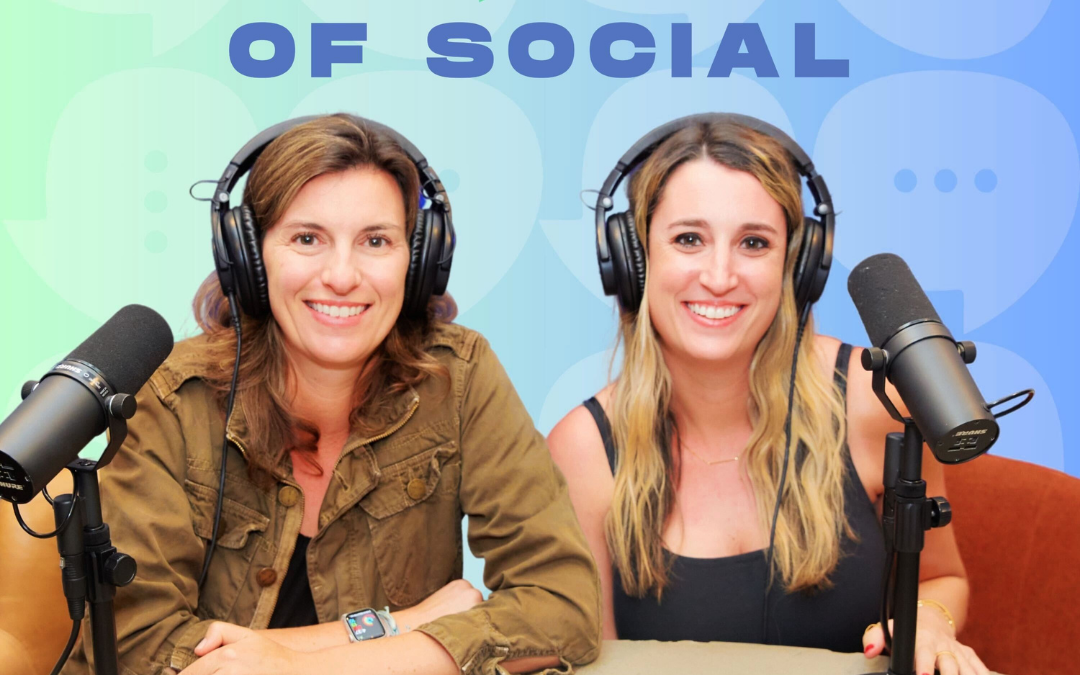
Dose of Social Episode 34: The Art of Blending Your Business and Personal Brand with Lizzie Curtis Alexander

Dose of Social Episode 34: The Art of Blending Your Business and Personal Brand with Lizzie Curtis Alexander

The Art of Blending Your Business and Personal Brand with Lizzie Curtis Alexander

Season THREE | Episode THIRTY FOUR


Listen On Spotify

For many small business owners, one of the biggest questions on social media is how much of your personal life to share alongside your business. Too much, and it can feel off-brand. Too little, and your content may not build the trust and connection that today’s audiences are looking for. In episode 35 of Dose of Social, Lizzie Curtis Alexander shared with Lindsay Mauch and Kayla Perlstein how she has found a thoughtful balance between the two.

Lizzie is a celebrity stylist, mom of three, and founder of Society Nautique, her handmade jewelry line. Her journey started when she was young. As a middle schooler, she was already drawn to jewelry and fashion, eventually making her own pieces and selling them locally.. That early passion turned into a business she has continued to grow over the years, alongside a successful styling career. What makes her story especially compelling is that she never forced herself into choosing one lane. Instead, she built a brand that reflects the full picture of who she is.

On Instagram, Lizzie maintains both a personal account under her name and a business account for Society Nautique. Her personal page shares family life, motherhood, business ownership, styling work, baking, and the everyday moments that make her relatable. Her business page is focused on jewelry, but not in a way that feels transactional or overly polished. Instead of simply posting products, she shares behind-the-scenes content, styling tips, jewelry care advice, layering tricks, and videos of herself making pieces by hand.

That blend is what makes her brand so effective. People may discover her through her jewelry, but they stay because they connect with her as a person. Her audience sees the late-night moments in the garage making orders, the real-life juggling act of parenting and entrepreneurship, and the passion behind every piece she creates. That authenticity builds trust, and trust drives sales.

One of the most powerful themes from the conversation was that polished content is not always what performs best. Lizzie has worked on large commercial shoots for major brands, so she understands high-production creative better than most. But when it comes to her own business, the content that resonates most is often the simplest: her speaking directly to the camera on her phone, sharing her jewelry in a real and personal way. That same style has translated well into paid social too, proving that relatable content often outperforms highly produced campaigns.

Listen On Youtube

She also spoke about the emotional connection customers have with her jewelry. Many pieces hold sentimental value, whether they commemorate a loved one, mark a life milestone, or become a lasting item someone wears every day. That deeper meaning is a reminder that small businesses are not just selling products. They are often creating connection, memory, and identity.

Lizzie’s biggest advice for small business owners was to stay authentic to yourself. It is easy to get pulled in different directions by trends, experts, and outside opinions. But the brands that grow in a sustainable way are often the ones that stay rooted in their own story, values, and voice.

3 Actionable Takeaways

  1. Let your audience connect with the person behind the brand.
    Share enough of your real life, process, or personality to build trust and relatability.
  2. Focus on helpful content, not just promotional content.
    Teach your audience something useful, like how to style, use, clean, or choose your products.
  3. Don’t overcomplicate your content creation.
    Simple, authentic videos shot on your phone can often outperform polished content because they feel more genuine.

You can find Lizzie online in the following places:

https://societynautique.com/

https://www.instagram.com/societynautique

https://www.instagram.com/lizziecurtis

Listen On Apple

❤️ Loving the show?

If you enjoyed this episode, please head over to Apple Podcasts and leave a rating. It takes less than a minute and helps us keep creating content.

Dose of Social Episode 34: The Art of Blending Your Business and Personal Brand with Lizzie Curtis Alexander

Dose of Social Episode 33: Marketing Strategy Before Tactics with Up to Eleven Marketing

Marketing Strategy Before Tactics with Up to Eleven Marketing

Season THREE | Episode THIRTY THREE


Listen On Spotify

When business owners think about marketing, it is easy to jump straight into tactics. Social media posts, email campaigns, direct mail, paid ads, and AI-generated content can all feel like the obvious starting point. But as Len Silverman and Bob Harms of Up to Eleven Marketing shared with Lindsay Mauch and Kayla Perlstein on Episode 34 of Dose of Social, the businesses that grow most sustainably are the ones that start with strategy first.

At the core of any strong marketing strategy is a deep understanding of the customer. Too often, business owners say their audience is “everyone,” but that usually signals a lack of clarity. If everyone is your customer, then your marketing has no clear target, no clear message, and no clear place to show up. As Len explained, marketing begins with knowing exactly who you serve, what they need, and why your product or service is the right fit for them.

That clarity shapes everything else. It tells you where to invest your time and money, what message to lead with, and how to measure success. Without it, businesses can end up chasing random opportunities, falling for shiny new marketing tactics, and wasting money on channels that do not actually reach their ideal audience.

For new business owners, identifying an ideal customer does not have to be overly complicated. Bob and Len recommend starting by talking to your current customers. Ask how they found you, what made them choose you, and what problem you solved for them. Those answers can reveal patterns that help define your best-fit audience. For businesses that are just getting started, social media can be a useful testing ground. You can experiment with different messaging, offers, and content angles to see what resonates, then use that feedback to refine your strategy.

Another important distinction from the conversation was the difference between marketing and sales. While they work together, they are not the same thing. Marketing is what gets people to notice you, trust you, and start the conversation. Sales is what closes the deal. Many business owners blend the two together, but doing so can create confusion and unrealistic expectations. Strong marketing supports sales, but it cannot replace it.

Listen On Youtube

Len and Bob also emphasized that good marketing is not just about growth for growth’s sake. If your marketing starts working and more business comes in, your operations need to be ready to support that demand. Otherwise, growth can quickly become a burden instead of a win. That is why strategic marketing should also consider staffing, delivery, internal processes, and scalability.

Perhaps the biggest misconception they addressed is that marketing looks easy because so many tools are now accessible. Canva, ChatGPT, and other platforms make it easier than ever to create polished content. But good marketing is still more science than art. It requires positioning, testing, measurement, consistency, and a clear understanding of your market.

The takeaway is simple: before you spend money on marketing tactics, take the time to understand your customer, define your positioning, and build a strategy that supports long-term growth. The businesses that do this well are the ones that go from a 10 to an 11.

3 Actionable Takeaways

  1. Define your ideal customer before you market anything.
    Get specific about who you serve, what they need, and why they choose you.
  2. Audit your current marketing efforts.
    List your tactics, how much you spend on each, and what return they generate. If you cannot answer that clearly, your strategy needs work.
  3. Make sure your business is ready to grow.
    Before turning on more marketing, check that your team, systems, and operations can handle increased demand.

You can find Bob and Len on LinkedIn at:

https://www.linkedin.com/in/robert-harms-uptoelevenmarketing/

https://www.linkedin.com/in/up-to-eleven-len/

https://www.linkedin.com/company/up-to-eleven-strategy-group

Listen On Apple

❤️ Loving the show?

If you enjoyed this episode, please head over to Apple Podcasts and leave a rating. It takes less than a minute and helps us keep creating content.

Dose of Social Episode 34: The Art of Blending Your Business and Personal Brand with Lizzie Curtis Alexander

Dose of Social Episode 32: Social Media for Nonprofits with Karri Morgan of Scott Hamilton CARES Foundation

Social Media for Nonprofits with Karri Morgan of Scott Hamilton CARES Foundation

Season THREE | Episode THIRTY TWO


Listen On Spotify

In Dose of Social Episode 32, Lindsay Mauch and Kayla Perlstein sit down with Karri Morgan, Executive Director of the Scott Hamilton Cares Foundation, and talk about what it actually takes to build awareness, drive engagement, and fundraise on social media without falling into “mission drift” or exhausting your audience with constant asks.

Karri works alongside Olympic gold medalist and cancer survivor Scott Hamilton, whose personal story is at the heart of the foundation’s purpose. Scott’s cancer journey and the gaps he experienced as a patient sparked programs like ChemoCare (breaking down complex cancer info into easy-to-understand language) and Fourth Angel (a “big brother/big sister” support system for patients who need someone who’s been there). Today, the foundation also funds immunotherapy research, a major focus Karri described as “sniper treatment versus grenade treatment,” with the goal of helping promising research move from bench to bedside and into clinical trials.

But this episode wasn’t just about the mission, it was about how to communicate a heavy topic on social media  in a way that’s human, hopeful, and effective.

Social Media as Education and Hope

Karri shared that social media is an important “educational vehicle” for the Scott Hamilton CARES Foundation: teaching audiences about screenings and prevention, sharing human-interest stories, and keeping content aligned with Scott’s positive, values-led approach. Cancer is heavy and that’s exactly why the foundation works hard to lead with hope, inspiration, and momentum.

What Types of Social Media Content Perform Best for Non-Profits

Three themes consistently resonate:

  • Behind-The-Scenes Content (especially around their signature event, Scott Hamilton & Friends)
  • Survivor Stories (because everyone loves a redemption arc and a victory)
  • Community Spotlights (donors, volunteers, and sponsors, and the people who make the mission possible)

Their live events create a ton of content opportunities, from rehearsals to backstage moments to emotional highlights on the ice. Karri also shared two standout “wins” that prove the power of organic storytelling:

  • A heartfelt story shared on The Bobby Bones Show that sparked donations from across 30 states without the foundation even pushing it.

A viral moment tied to Scott’s iconic backflip and the foundation’s “Turn Cancer Upside Down” identity, including their upside-down cancer ribbon.

Listen On Youtube

The Fundraising Balance (and Donor Fatigue)

One of the most valuable parts of the conversation was Karri’s honesty about donor fatigue. With 30+ events a year across multiple states, the foundation has to constantly balance storytelling, gratitude, awareness, and asks for donation without overwhelming their community. They don’t follow a strict ratio, but they’re always mindful of the “donate, donate, donate” drumbeat.

They also discussed why “Sponsored” posts can feel tricky for non-profits: even if paid social is inexpensive, some donors worry about where funds are going or feel less connected to content that looks like an ad.

And sometimes? The best content is simply human. Karri’s proudest recent moment was a playful post about “voluntold” husbands. This was a post highlighting the spouses who always get recruited to help out at volunteer events for the foundation. It sparked real connection, and people even texted her to say how much they loved it.

Actionable Takeaways

  1. Lead with mission-first storytelling. Keep content hopeful and aligned with your values to avoid mission drift.

  2. Build content pillars that consistently work: behind-the-scenes, survivor stories, and community spotlights (donors/volunteers/sponsors).

  3. Plan ahead for donation asks and be mindful of donor fatigue. You don’t need a perfect formula, just be intentional about spacing out fundraising CTAs.

  4. Don’t underestimate organic moments. Leave room for community-driven stories to take off (and be ready to amplify them).

  5. Humanize your brand with gratitude and humor. Simple posts (like appreciating your “voluntold” helpers) can drive real engagement and deepen loyalty.

You can find the Scott Hamilton CARES Foundation on Instagram at https://www.instagram.com/teamscottcares.

Listen On Apple

❤️ Loving the show?

If you enjoyed this episode, please head over to Apple Podcasts and leave a rating. It takes less than a minute and helps us keep creating content.

Dose of Social Episode 34: The Art of Blending Your Business and Personal Brand with Lizzie Curtis Alexander

Dose of Social Episode 30: Social Media Scheduling Tools: What You Need To Know

Social Media Scheduling Tools: What You Need To Know

Season THREE | Episode THIRTY


Listen On Spotify

In episode 30 of Dose of Social, Lindsay Mauch and Kayla Perlstein break down what scheduling tools are, why they can be a game-changer for busy brands, and the biggest mistakes to avoid if you decide to use one.

What Social Media Scheduling Tools Actually Do (and why they exist)

At their core, scheduling tools let you plan and publish social media content in advance. Instead of logging in every day to manually post, you can batch your work: write captions, upload assets, choose dates/times, and hit “schedule.” That makes it easier to stay consistent without social media taking over your entire week.

Kayla summed up the biggest benefit perfectly: it’s one more thing off your plate day to day. If your biggest hurdle is simply getting content out the door, scheduling can remove friction and keep you posting regularly.

The Upside: Organization, Batching, and Multi-Platform Posting

One of the biggest wins with scheduling is getting ahead. You can create 10 strong posts, spread them out across two to three weeks, and be done in one sitting. Many tools also allow cross-posting where you can publish one piece of content to multiple platforms (like Instagram, Facebook, and X) without repeating the same steps over and over.

Lindsay also shared an old-school phrase that still applies: “Post Once, Publish Everywhere.” While each platform has its quirks, scheduling tools can streamline distribution when you’re managing multiple channels.

Listen On Youtube

The Downside: Tone-Deaf Timing and “OOPSIES” Mistakes

Scheduling isn’t “set it and forget it.” One major risk is not pausing scheduled content during major news events or tragedies, which can make a brand look out of touch fast. If you’re scheduling content so you can truly be offline (hello, vacation), you need a backup plan—someone who can step in and hit pause if needed.

Another common issue? Drafts or placeholders accidentally going live. Lindsay referenced the famous McDonald’s mishap where unfinished content was posted publicly. The lesson: don’t schedule anything until it’s final, approved, and ready—especially if you have multiple approval layers.

Do scheduling tools hurt reach?

This is the big question. Lindsay shared that, anecdotally, she’s seen content posted through third-party tools perform equal to or less than content posted natively. Kayla agreed the platforms want you to stay on-platform—and that posting natively often gives you access to features schedulers still can’t handle well (like trending Reel audio).

Their advice: if you want to give content the best shot, post natively in real time when possible—or schedule natively using the platform’s built-in tools.

So… should you use one?

It depends. For LTM Digital, tools like Planoly (great for visual Instagram grid planning) and Buffer (an OG) can help. But both Lindsay and Kayla emphasized that most brands can get far using free native schedulers inside Meta, LinkedIn, YouTube, and more—plus a simple Google Sheet content calendar.

At the end of the day, consistency matters more than the tool.

Actionable Takeaways

  1. Use scheduling to stay consistent. If scheduling is what gets you posting regularly, it’s worth it.

  2. Never schedule unapproved content. Keep drafts in draft mode until everything is final.

  3. Don’t “post and ghost.” Even if it’s scheduled, be ready to engage when comments come in.

  4. Have a “pause plan.” Assign someone to pause posts during major events if you’ll be offline.

  5. Test before you invest. Try native scheduling first, then upgrade only if you truly need more features.

  6. Don’t obsess over “best posting times.” Test a few time slots, but focus more on engagement than timing.

Want more social media workflow tips like this? Follow Dose of Social on Instagram and YouTube, and visit doseofsocial.com.

Listen On Apple

❤️ Loving the show?

If you enjoyed this episode, please head over to Apple Podcasts and leave a rating. It takes less than a minute and helps us keep creating content.

Dose of Social Episode 34: The Art of Blending Your Business and Personal Brand with Lizzie Curtis Alexander

Dose of Social Episode 31: Social Media for Tourism and Travel with Jess Kaplan

Social Media for Tourism and Travel with Jess Kaplan

Season THREE | Episode THIRTY ONE


Listen On Spotify

In Episode 32 of Dose of Social, Lindsay Mauch and Kayla Perlstein sat down with Jess Kaplan, Social Strategy Manager at Orange 142, to talk about what it really takes to grow a tourism brand on social media.

Jess leads strategy for Pigeon Forge, a destination known as the gateway to the Great Smoky Mountains and home to Dollywood. With millions of annual visitors and a constant stream of events, attractions, and seasonal campaigns, managing social for a destination like this is no small task.

Here’s what we learned about building a high-performing tourism social strategy.

Reels and Carousels Drive Discovery

Jess emphasized that while every platform plays a role, short-form video is the engine for reach. Reels and TikToks are critical for attracting new audiences, while carousels allow for deeper storytelling.

For destination brands especially, storytelling wins. A single viral moment – like a creator video that reached 50 million views – can directly translate into bookings. But you can’t plan virality. You can only create consistent, compelling content and stay ready to ride the wave when it happens.

Lean Into What’s Working (Even If It Surprises You)

One unexpected hit? A “Chuck Wagon Cook Off” event video that became their first to cross one million views. That single moment helped grow a large portion of their TikTok following.

The takeaway: don’t underestimate niche or “quirky” events. If something resonates, double down. Jess and her team increased promotion around that event in future years because the data validated the interest.

Testing is everything. Not every trend will fit your brand, but when it does, try it.

User-Generated Content Is a Growth Lever

UGC isn’t just a nice-to-have, it’s foundational.

Jess reaches out to fans daily for permission to repost content. That outreach builds trust, strengthens community, and often turns visitors into long-term followers. Beyond social reposts, UGC is integrated into blogs and website content to extend its lifespan.

For tourism brands especially, visitors are your content creators. Lean into that.

Listen On Youtube

Seasonality Should Shape Your Messaging

Tourism marketing is deeply seasonal. Pigeon Forge tailors content by audience and time of year:

  • Spring break & summer: family-focused
  • Fall: couples getaways
  • Holidays: magical winter campaigns

Rather than posting generic content year-round, the strategy shifts based on traveler intent. Influencer partnerships and campaigns are aligned with these seasonal priorities to maximize relevance.

For small destinations, this approach can be replicated on a smaller scale. Focus on what your location does best during each season and amplify that message.

Fresh Content Requires Real-World Presence

Jess and her team conduct content shoots at least once a month, filming new businesses, events, and festivals to keep content fresh for both repeat visitors and new audiences.

Video is captured primarily on iPhone, supported by tools like the Osmo Pocket 3, stabilizers, mics, and lighting. The key isn’t fancy equipment, it’s consistency and hands-on access.

Social media should never be “schedule and forget.” It’s fluid. It requires monitoring, optimizing, and sometimes pivoting in real time (especially in tourism, where weather and announcements can shift quickly).

Actionable Takeaways

  1. Prioritize short-form video for reach, but use carousels for storytelling depth.
  2. Let performance guide your strategy. Double down on content that surprises you.
  3. Actively request permission for UGC and build relationships with creators.
  4. Align content with seasonal travel intent to stay relevant year-round.
  5. Capture fresh content consistently. Social success requires ongoing, real-world activation.

Whether you’re marketing a mountain town or a local business, the fundamentals remain the same: test often, stay nimble, and build strategy around real audience behavior.

And if you ever get a video that hits 50 million views? Ride that wave.

You can find Jess online at https://www.linkedin.com/in/jessicakap/.

Listen On Apple

❤️ Loving the show?

If you enjoyed this episode, please head over to Apple Podcasts and leave a rating. It takes less than a minute and helps us keep creating content.

Dose of Social Episode 34: The Art of Blending Your Business and Personal Brand with Lizzie Curtis Alexander

Dose of Social Episode 30: Social Media Scheduling Tools: What You Need To Know

Social Media Scheduling Tools: What You Need To Know

Season THREE | Episode THIRTY


Listen On Spotify

In episode 30 of Dose of Social, Lindsay Mauch and Kayla Perlstein break down what scheduling tools are, why they can be a game-changer for busy brands, and the biggest mistakes to avoid if you decide to use one.

What Social Media Scheduling Tools Actually Do (and why they exist)

At their core, scheduling tools let you plan and publish social media content in advance. Instead of logging in every day to manually post, you can batch your work: write captions, upload assets, choose dates/times, and hit “schedule.” That makes it easier to stay consistent without social media taking over your entire week.

Kayla summed up the biggest benefit perfectly: it’s one more thing off your plate day to day. If your biggest hurdle is simply getting content out the door, scheduling can remove friction and keep you posting regularly.

The Upside: Organization, Batching, and Multi-Platform Posting

One of the biggest wins with scheduling is getting ahead. You can create 10 strong posts, spread them out across two to three weeks, and be done in one sitting. Many tools also allow cross-posting where you can publish one piece of content to multiple platforms (like Instagram, Facebook, and X) without repeating the same steps over and over.

Lindsay also shared an old-school phrase that still applies: “Post Once, Publish Everywhere.” While each platform has its quirks, scheduling tools can streamline distribution when you’re managing multiple channels.

Listen On Youtube

The Downside: Tone-Deaf Timing and “OOPSIES” Mistakes

Scheduling isn’t “set it and forget it.” One major risk is not pausing scheduled content during major news events or tragedies, which can make a brand look out of touch fast. If you’re scheduling content so you can truly be offline (hello, vacation), you need a backup plan—someone who can step in and hit pause if needed.

Another common issue? Drafts or placeholders accidentally going live. Lindsay referenced the famous McDonald’s mishap where unfinished content was posted publicly. The lesson: don’t schedule anything until it’s final, approved, and ready—especially if you have multiple approval layers.

Do scheduling tools hurt reach?

This is the big question. Lindsay shared that, anecdotally, she’s seen content posted through third-party tools perform equal to or less than content posted natively. Kayla agreed the platforms want you to stay on-platform—and that posting natively often gives you access to features schedulers still can’t handle well (like trending Reel audio).

Their advice: if you want to give content the best shot, post natively in real time when possible—or schedule natively using the platform’s built-in tools.

So… should you use one?

It depends. For LTM Digital, tools like Planoly (great for visual Instagram grid planning) and Buffer (an OG) can help. But both Lindsay and Kayla emphasized that most brands can get far using free native schedulers inside Meta, LinkedIn, YouTube, and more—plus a simple Google Sheet content calendar.

At the end of the day, consistency matters more than the tool.

Actionable Takeaways

  1. Use scheduling to stay consistent. If scheduling is what gets you posting regularly, it’s worth it.

  2. Never schedule unapproved content. Keep drafts in draft mode until everything is final.

  3. Don’t “post and ghost.” Even if it’s scheduled, be ready to engage when comments come in.

  4. Have a “pause plan.” Assign someone to pause posts during major events if you’ll be offline.

  5. Test before you invest. Try native scheduling first, then upgrade only if you truly need more features.

  6. Don’t obsess over “best posting times.” Test a few time slots, but focus more on engagement than timing.

Want more social media workflow tips like this? Follow Dose of Social on Instagram and YouTube, and visit doseofsocial.com.

Listen On Apple

❤️ Loving the show?

If you enjoyed this episode, please head over to Apple Podcasts and leave a rating. It takes less than a minute and helps us keep creating content.